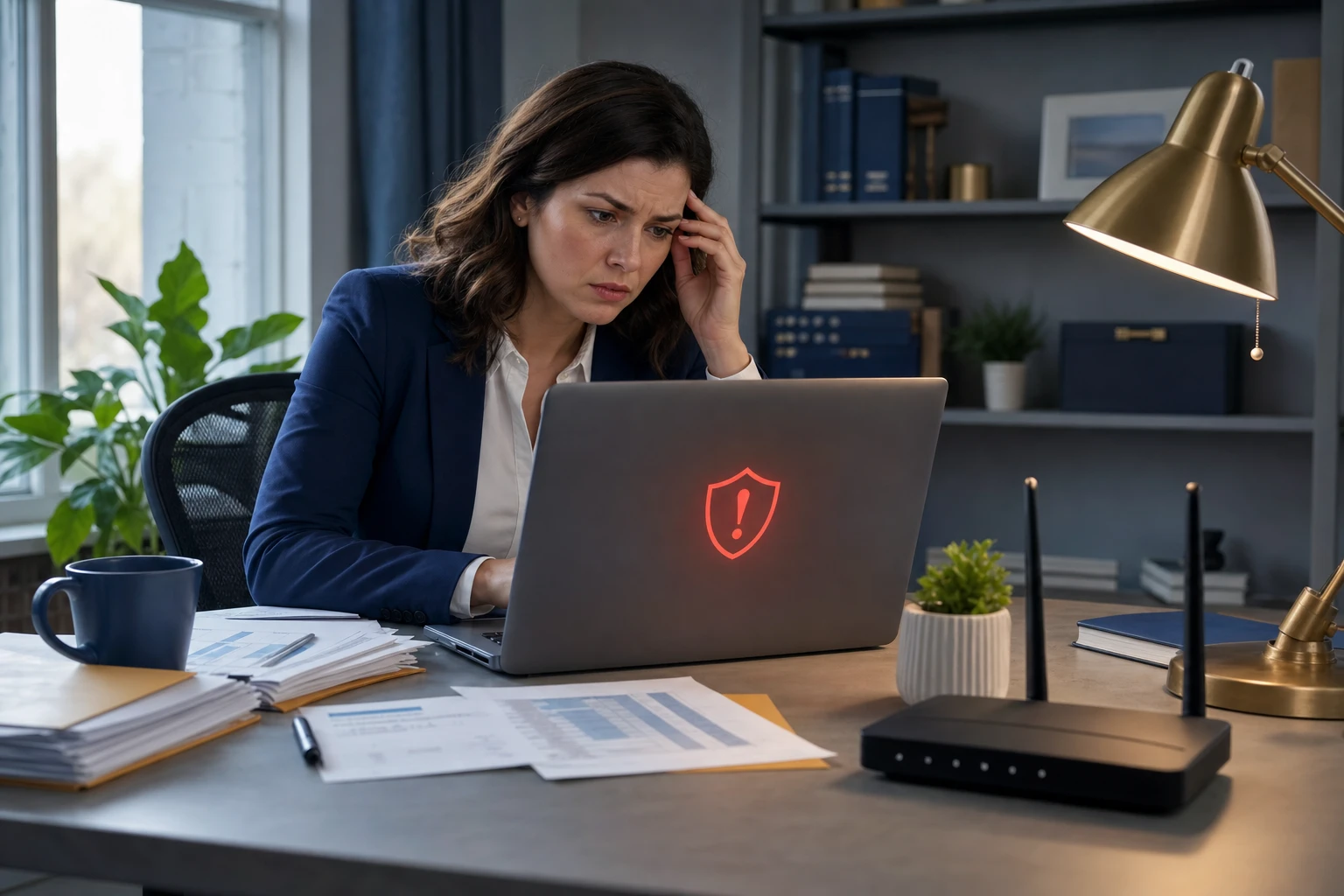
Our smartphones accompany us everywhere, safeguarding everything from passwords to confidential business communications. Yet, the alarming reality is that phone tracking is far more widespread and simpler to execute than most realize.
Whether it’s a suspicious partner, a disgruntled employee, or a cybercriminal targeting your enterprise, anyone equipped with the right tools can track your location, intercept your messages, or access sensitive business information without your awareness. For business owners, this threat extends beyond privacy—it jeopardizes your operations, clientele, and revenue.
Understanding Phone Tracking:
Here are common methods used to track phones:
● Spyware Applications: These can be stealthily installed to monitor calls, texts, and app activities. Some even activate your microphone or camera covertly.
● Phishing Links: Clicking on a malicious link in an email or SMS can silently install tracking software on your device.
● Location Sharing: Apps with excessive permissions or forgotten social media logins might be sharing your location without your knowledge.
● Stalkerware: This specialized spyware disguises itself as harmless apps or settings tools, hiding in plain sight.
These tracking techniques don’t require advanced hacking expertise; many are commercially available as “monitoring software.”
Why Business Owners Must Take This Seriously
Your phone likely holds more than personal data if you run a business—think confidential client emails, stored passwords, banking info, and employee records. A compromised phone can provide unauthorized access to your entire business ecosystem.
Worse, you might not detect tracking until after an account is drained, a deal is compromised, or client trust is shattered.
Consider this: a single data breach costs U.S. small businesses an average of $120,000 (Verizon DBIR, 2024). Your phone could be the vulnerable entry point at any time.
Warning Signs Your Phone May Be Tracked
Spyware often works silently, but watch for these red flags:
● Unexplained battery drain that doesn’t align with your usage patterns
● Sudden spikes or unusual increases in data consumption
● Your phone feeling warm even when idle
● Unknown apps or unfamiliar icons appearing
● Strange background noises during calls
● Frequent crashes or unresponsive screens
While these signs don’t guarantee tracking, combined with other unusual behaviors, they warrant a thorough check.
Effective Steps to Prevent Phone Tracking
If you suspect your phone is being tracked, take these actions immediately:
1. Conduct a Security Scan: Utilize trusted mobile security apps to detect and eliminate spyware or malware. These apps also offer real-time monitoring and threat alerts.
2. Review App Permissions: Examine your installed apps and revoke unnecessary access to location, microphone, and camera, especially for rarely used apps.
3. Keep Your Phone Updated: Regularly install the latest OS updates, which often patch security vulnerabilities exploited by spyware.
4. Perform a Factory Reset: If spyware persists and cannot be removed, reset your phone to factory settings. Remember to back up important data and change all passwords afterward.
5. Enhance Security Measures: Enable biometric authentication (Face ID, fingerprint) and activate multifactor authentication on critical business apps and accounts.
Protect Your Phone and Business from Threats
As a business owner, your phone serves as a vital hub for operations, client information, and sensitive data. Securing it is essential and non-negotiable.
Cybercriminals exploit any opportunity, and a compromised mobile device offers them direct access—no firewall required.
Take control today with a FREE Discovery Call. We’ll help uncover hidden vulnerabilities in your systems and devices and guide you toward robust protection.
Click here or call us at 408-335-0353 to schedule your FREE Discovery Call now.
Frequently Asked Questions
How can I tell if my phone is being tracked?
There are several warning signs that may indicate your phone is being tracked. Look out for unexplained battery drain, unusual data usage, your phone feeling warm when idle, or the presence of unfamiliar apps. If you notice strange noises during calls or frequent crashes, these could also be red flags.
What are the common methods used for phone tracking?
Phone tracking can occur through various methods, including spyware applications that monitor your calls and messages, phishing links that install malware, and location-sharing settings in apps that may share your whereabouts without consent. Stalkerware is another method that disguises itself as legitimate apps, making it harder to detect.
Can phone tracking affect my business data security?
Yes, phone tracking poses a significant risk to business data security. If your phone is compromised, it can give unauthorized access to sensitive information like client communications, passwords, and financial records. This can lead to data breaches that cost businesses significantly, impacting operations and client trust.
What steps can I take to protect my phone from being tracked?
To protect your phone, start by conducting a security scan with trusted mobile security apps that can identify and remove spyware. Additionally, regularly review app permissions to limit access to sensitive features like location and microphone. If you suspect tracking, it may also be wise to consult a managed IT services provider like One82 for a more comprehensive approach to cybersecurity.