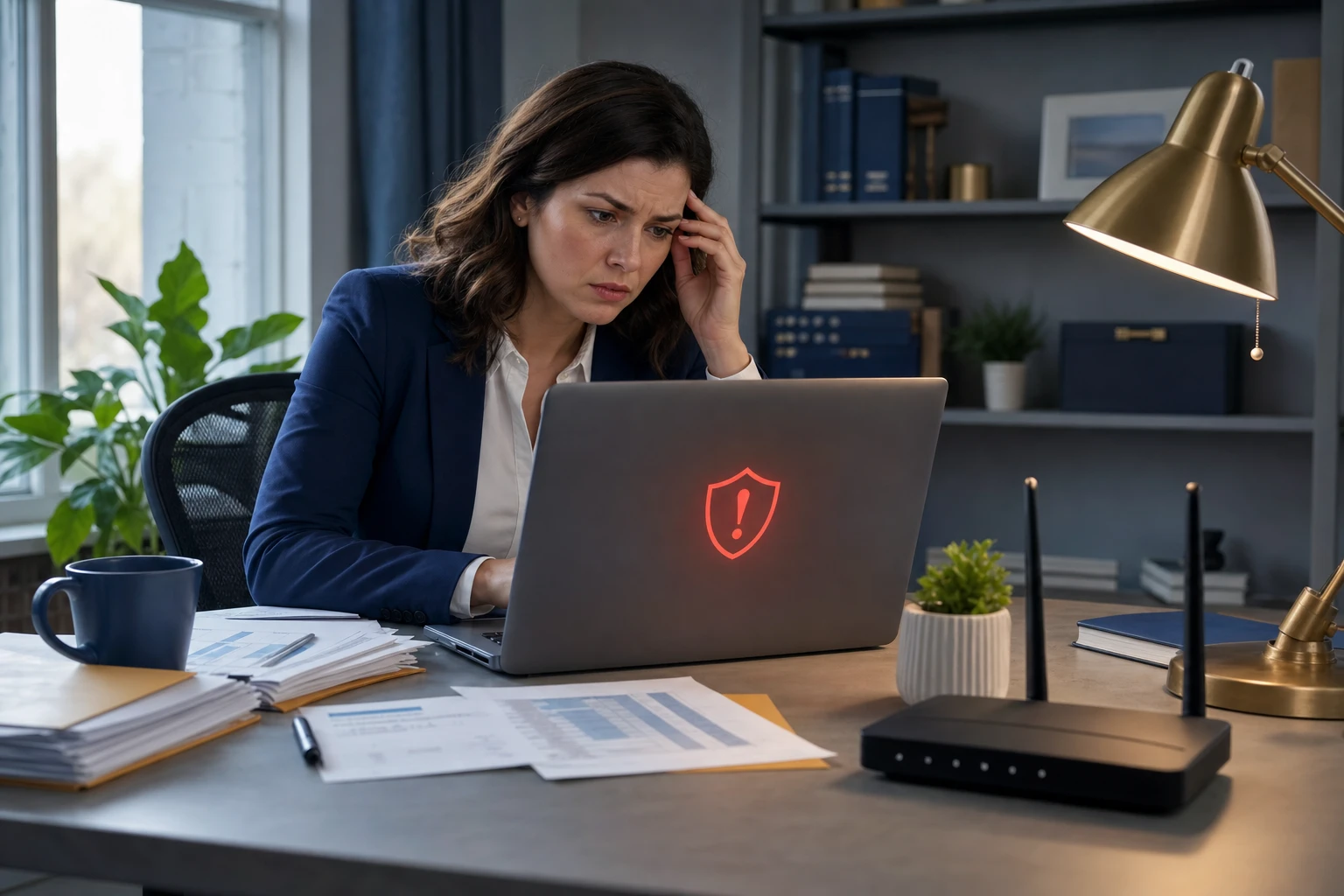
You don’t have to be a large corporation to fall victim to a devastating cyberattack. In fact, small businesses are now the prime targets for cybercriminals because they often have weaker defenses and are more likely to pay a ransom.
Unlike Fortune 500 companies that can absorb the financial hit of a breach, most small businesses face crippling consequences. Professional services firms in the Bay Area — CPA practices, law firms, and financial services companies in San Jose, Palo Alto, Los Gatos, and across the South Bay — are particularly vulnerable because of the sensitive client data they hold.
IBM’s Cost Of A Data Breach Report 2024 reveals that the average data breach costs a staggering $4.88 million. This figure includes downtime, lost customers, legal expenses, ransom payments, and damage to your brand reputation.
That’s alarming, isn’t it?
But there’s hope: a cutting-edge solution is now empowering businesses like yours to detect cyberattacks before they cause harm and revolutionize cybersecurity.
Introducing a Smarter Defense
This innovation is known as endpoint detection and response (EDR). You don’t need to memorize the term—just understand its powerful role.
Imagine it as a vigilant digital security guard, constantly monitoring your devices.
Unlike traditional antivirus programs that only block known threats, EDR continuously observes all activities on your workstations—every login, file modification, and unusual behavior. When it detects suspicious actions, such as ransomware spreading or unauthorized logins from odd locations, EDR immediately intervenes to neutralize the threat.
Why This Matters More Than Ever
Cybercriminals have evolved beyond old tactics. They use stolen credentials, disguise malware as everyday files, and exploit a single employee mistake to infiltrate your network.
EDR stops these advanced threats in their tracks—protecting your business from catastrophic damage.
Not Just Smart—Increasingly Essential
Many business owners aren’t aware that cyber insurance providers now often require EDR to validate coverage. Without it, your insurance claim could be denied—like filing a fire claim without a smoke detector.
Is Your Business Truly Protected?
If you’re uncertain, let’s connect. We’ll evaluate your cybersecurity needs and ensure your business isn’t an easy target.
It’s far better to be proactive than to face devastating losses later.
Ready to discover if your business can withstand a $4.88 million cyberattack? Don’t wait to find out the hard way. Click here or call us at 408-335-0353 to book your free Discovery Call with our experts. We’ll review your current cybersecurity stance, identify vulnerabilities, and provide straightforward guidance—no jargon, no pressure, just clarity.
Frequently Asked Questions
What are the consequences of a data breach for small businesses?
Small businesses can face severe repercussions from a data breach, including financial losses that may reach millions. This can stem from downtime, lost customers, legal fees, ransom payments, and damage to their reputation. Unlike larger companies, small businesses often lack the resources to absorb these costs, making them particularly vulnerable.
How does endpoint detection and response (EDR) work?
EDR acts as a proactive security system that continuously monitors devices for suspicious activities. Unlike traditional antivirus software, which only addresses known threats, EDR can detect and respond to unusual behaviors, such as unauthorized logins or malware activity, in real-time. This immediate intervention helps prevent potential damage from cyberattacks.
Why is EDR important for cyber insurance?
Many cyber insurance providers now require businesses to have EDR in place to qualify for coverage. Without EDR, a company risks having its insurance claims denied in the event of a breach, similar to how a fire claim could be denied without a smoke detector. Ensuring you have EDR can protect both your business and your insurance investments.
How can I find out if my business is at risk for a data breach?
To assess your business’s vulnerability, consider conducting a cybersecurity evaluation. This process can identify weaknesses in your current defenses and recommend improvements. Consulting with cybersecurity experts can provide clarity on your situation and help ensure you have the necessary protections in place to avoid costly breaches. One82 offers such evaluations for businesses looking to strengthen their cybersecurity stance.