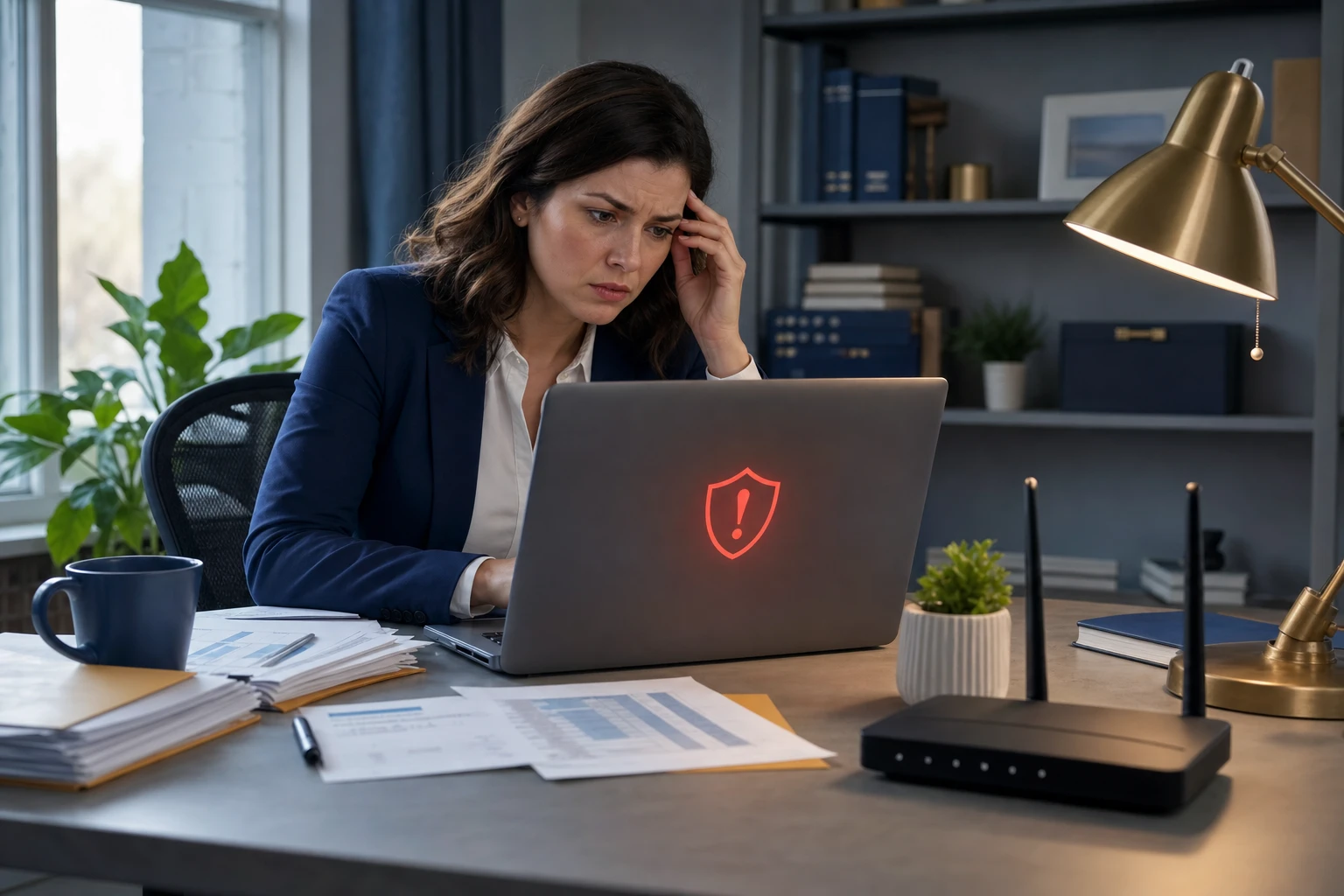
A client recently asked me about the most common mistakes business owners make regarding IT and cybersecurity.
Where to start…
After years of experience with businesses of all sizes, the most significant mistake I observe repeatedly is treating IT and cybersecurity as an afterthought. Despite the constant news about data breaches, many business owners either underestimate the real risks posed by cyber threats or believe that implementing basic protections is sufficient. Unfortunately, that’s not the case. The IBM Cost of a Data Breach Report 2024 found that the average cost of a data breach is now $4.88 million globally — and small businesses bear a disproportionate share of that cost relative to revenue. A single breach, ransomware attack, or IT failure can bring your business to its knees overnight. Yet, too many companies adopt a reactive mindset, prioritizing security only after an incident occurs, which is both exhausting and costly.
Another prevalent mistake is assuming that free software is adequate. I understand the appeal. Free antivirus programs, consumer-grade routers, and DIY security measures seem like easy ways to cut costs, especially for small businesses facing inflation. However, those supposed savings can vanish quickly if your business experiences a data breach, incurs compliance fines, or loses valuable client trust. If you wouldn’t run your business using a free spreadsheet application, why would you rely on subpar software for your entire security infrastructure?
Additionally, many businesses underestimate the impact of downtime. They often think they can afford to be offline for a few hours if something malfunctions. According to Datto’s Global State of the MSP Report, the average cost of IT downtime for small businesses is $427 per minute. When your network fails, your team may be unable to work for hours or even days, customers lose access to your services, and you start losing money. A robust IT strategy is not solely about security; it’s also about ensuring operational continuity so that when disaster strikes (and it will to some extent), you’re not left scrambling for a solution.
Finally, the most commonly overlooked mistake is neglecting to plan for the long term. IT and cybersecurity require ongoing attention; they are not set-it-and-forget-it investments. Threats evolve, technology advances, and hackers become more sophisticated every day. If you’re not regularly assessing, updating, and reinforcing your security measures, you’re already falling behind.
Ultimately, you must protect what you’ve built.
So, what’s the solution? Here it is:
Stop cutting corners. Invest in professional-grade IT and security solutions rather than temporary fixes. Think long-term. A solid cybersecurity strategy is not a one-time effort; it requires ongoing commitment. Seek expert guidance. You don’t have to navigate the complexities of IT security alone. Surround yourself with knowledgeable professionals who can help you stay ahead of potential threats.
If you’re ready to take IT and
cybersecurity seriously, let’s talk. [Click
here](/discoverycall) or give us a call at 408-335-0353 to book a free Discovery Call, and let’s make sure
your business isn’t one click away from disaster.
Frequently Asked Questions
What are the common IT mistakes that business owners make?
Many business owners mistakenly treat IT and cybersecurity as an afterthought, waiting for a crisis to prompt action. They may also rely on free software or DIY measures that don’t provide adequate protection, leading to potential data breaches and costly downtime.
How does downtime affect a business?
Downtime can significantly impact a business’s operations by halting work for employees and preventing customer access to services. This can lead to lost revenue and damage to client trust, highlighting the importance of having a robust IT strategy in place.
Why is long-term planning important for IT and cybersecurity?
Long-term planning is crucial because IT and cybersecurity are not one-time efforts; they require continuous assessment and updates. As technology and cyber threats evolve, businesses need to adapt their security measures to stay protected and avoid falling behind.
How can businesses improve their IT security?
Investing in professional-grade IT and cybersecurity solutions is key to enhancing security. Additionally, seeking expert guidance can help businesses navigate the complexities of IT security, ensuring they implement effective, long-term strategies to safeguard their operations. One82 specializes in providing these services for CPA firms, law firms, and boutique financial services firms in the San Francisco Bay Area.