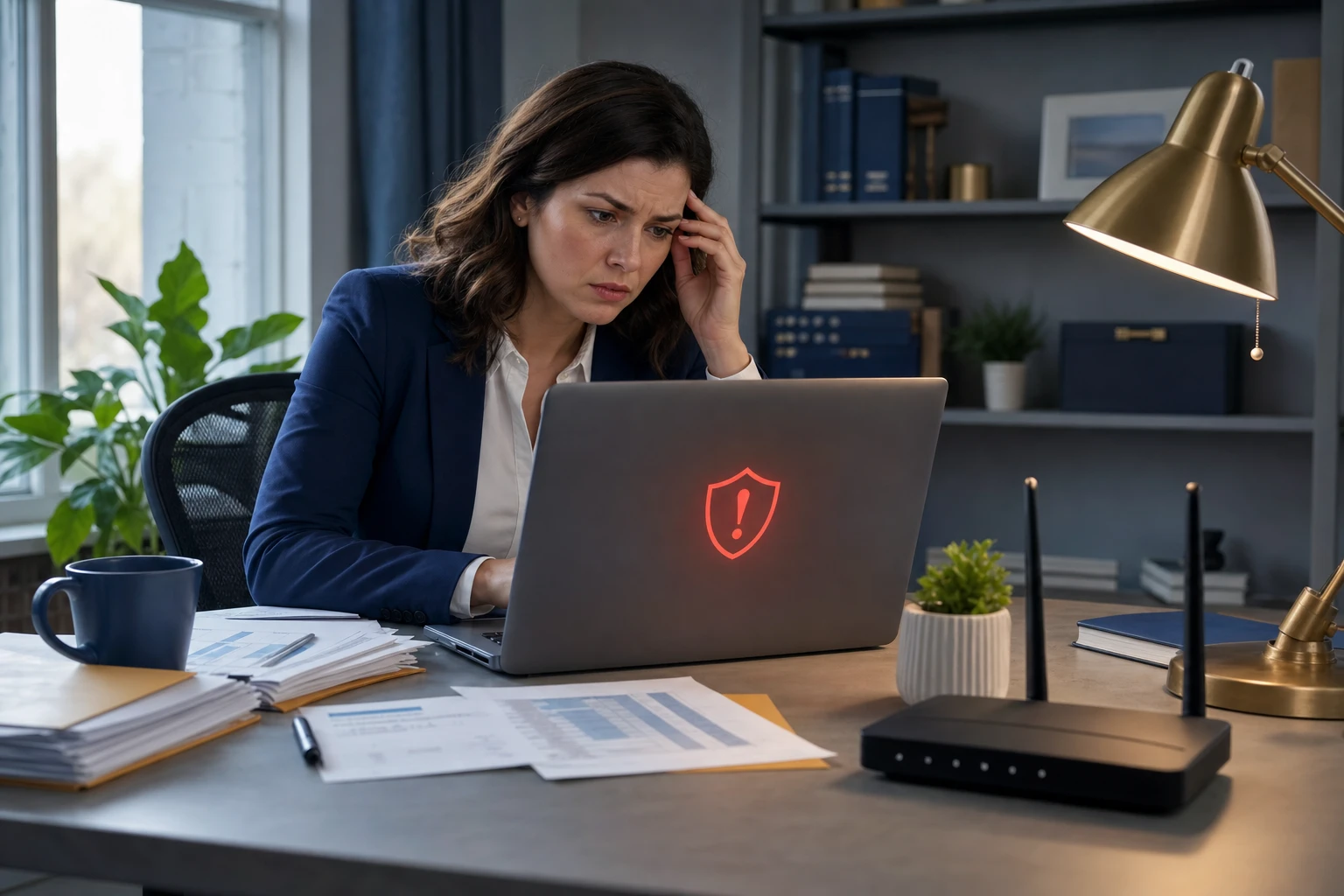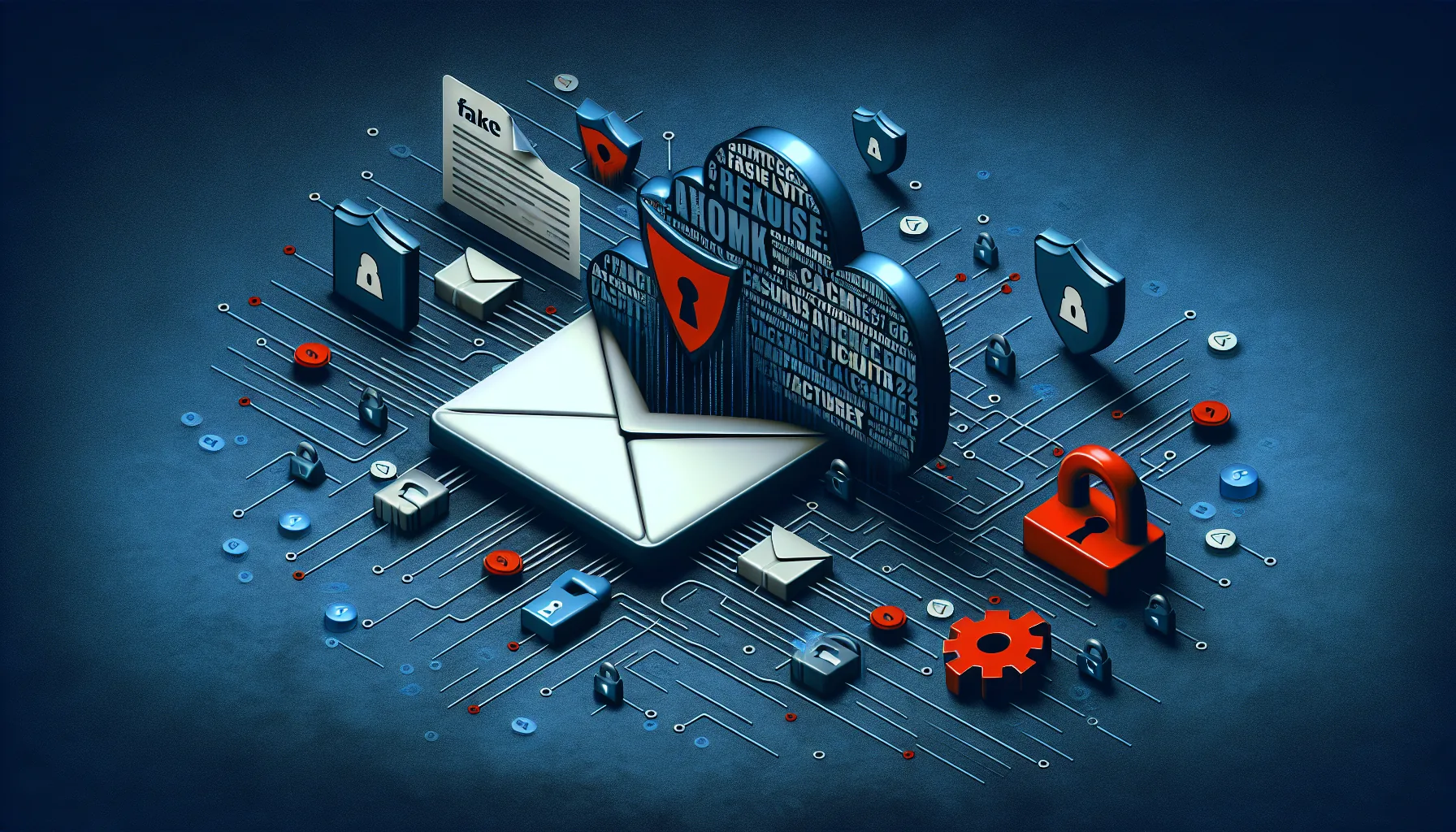
Planning a vacation this year? Ensure that your confirmation email is legitimate BEFORE clicking on anything!
With summer approaching, cybercriminals are taking advantage of the travel season by sending counterfeit booking confirmations that closely resemble emails from airlines, hotels, and travel agencies. The Verizon Data Breach Investigations Report consistently finds that phishing is involved in over 30% of all data breaches, making it one of the most prevalent attack methods. These scams aim to steal personal and financial information, hijack online accounts, and potentially infect your device with malware.
Even those who are tech-savvy can fall victim to these schemes.
Here’s How The Scam Works
A Fake Booking Confirmation Arrives In Your Inbox
The email may appear to come from reputable travel companies such as Expedia, Delta, or Marriott.
Hackers often utilize official logos, proper formatting, and even “customer support” numbers.
Subject lines create a sense of urgency:
“Your Trip To Miami Has Been Confirmed! Click Here For Details” “Your Flight Itinerary Has Changed - Click Here For Updates” “Action Required: Confirm Your Hotel Stay” “Final Step: Complete Your Rental Car Reservation”
You Click The Link And Are Redirected To A Fake Website
The email prompts you to “log in” to confirm details, update payment information, or download your itinerary.
Clicking the link takes you to a convincing but fraudulent website that captures your credentials when you enter them.
Hackers Steal Your Information And/Or Money
If you input your login details on the impersonated website, hackers gain access to your airline, hotel, or financial accounts. The FBI IC3 reports that business email compromise and phishing schemes account for billions in annual losses.
If you enter payment information, they can steal your credit card details or execute fraudulent transactions.
If the link contains malware, your device (and everything on it) could be compromised.
Why This Scam Is So Effective
It Looks Legit: These phishing emails closely resemble genuine confirmation emails, complete with logos, formatting, and familiar-looking links. It Plays On Urgency: Seeing a “reservation issue” or “flight change” can trigger panic, prompting individuals to act quickly without verifying. People Are Distracted: Whether busy with work or excited about an upcoming trip, individuals may neglect to double-check the authenticity of an email.
It’s Not Just Personal - It’s a business risk too.
If you or your team travels for work, this scam poses an even greater threat. Many businesses have one individual managing all reservations—flights, hotels, rental cars, conference bookings.
Due to the volume of confirmation emails received, a fraudulent one can easily be overlooked. A single click from your office manager, travel coordinator, or executive assistant could:
Expose your company credit card to fraud. Compromise login credentials for corporate travel accounts. Introduce malware into your company network if the scam includes malicious attachments.
How To Protect Yourself And Your Business
Verify Before You Click - Always access the airline, hotel, or booking website directly instead of clicking on email links. Check The Sender’s Email Address - Scammers often use addresses that are similar but not exact (e.g., “@deltacom.com” instead of “@delta.com”). Warn Your Team - Educate employees to recognize phishing scams, particularly those responsible for company travel bookings. Enable Multifactor Authentication (MFA) - Even if credentials are compromised, MFA provides an additional layer of security. Lock Down Business Email Accounts - Implement email security measures to block malicious links and attachments.
Don’t Let A Fake Travel Email Cost You Business
Cybercriminals know precisely when and how to strike—travel season is their prime opportunity.
If you or anyone on your team is involved in booking work-related travel, handling reservations, or managing expense reports, you’re a target.
Let’s ensure your business remains protected.
Start with a FREE Discovery Call. We’ll check for vulnerabilities,
strengthen your defenses and help safeguard your team against phishing scams
like this.
Click here or give us a call at 408-335-0353 to schedule your FREE
Discovery Call today!
Frequently Asked Questions
How can I tell if a vacation booking email is legitimate or a scam?
To verify the legitimacy of a vacation booking email, look for signs such as the sender’s email address, which should match the official domain of the company. Additionally, check for poor grammar, generic greetings, or urgency in the subject line, which are common traits of phishing attempts. If in doubt, contact the company directly using their official website rather than clicking any links in the email.
What should I do if I accidentally clicked on a suspicious email link?
If you clicked on a suspicious email link, immediately change your passwords for any accounts that may have been compromised. It’s also a good idea to monitor your financial accounts for unauthorized transactions and consider enabling two-factor authentication for added security. Running a malware scan on your device can help identify any potential threats.
Are business travelers at greater risk of phishing scams?
Yes, business travelers are often at a higher risk for phishing scams, particularly if they manage multiple travel bookings. A single fraudulent email can easily be mistaken for a legitimate one among the many confirmations received, leading to potential financial loss and compromised company information. It’s essential for teams to stay vigilant and verify all communications carefully.
How can One82 help protect my firm from email scams like fake vacation confirmations?
One82 offers managed IT and cybersecurity services that include training for your team on recognizing phishing attempts. They can also implement advanced security measures, such as email filtering and real-time threat detection, to help safeguard your firm against email scams and other cyber threats.